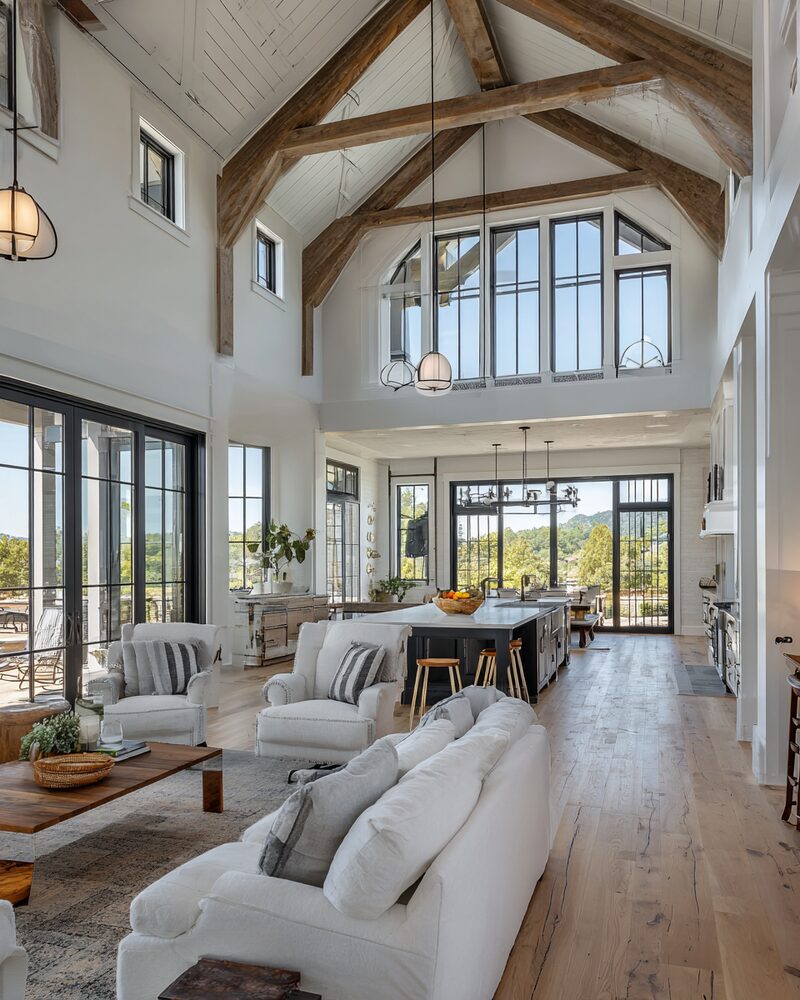
Northeast Atlanta continues to draw buyers and sellers because it blends suburban comfort with strong access to Atlanta's job centers, top-rated schools, and growing local amenities. Whether you are preparing to sell, ready to buy, or simply researching future moves, understanding the long term drivers of home value in this region will help you make smart choices that stand the test of time.
What determines lasting value in Northeast Atlanta goes beyond current list prices. Think of value as a combination of location fundamentals, neighborhood momentum, and property resilience. Key location fundamentals include school districts, commute corridors, and proximity to retail and healthcare. Neighborhood momentum covers new investments, redevelopment, and demographic trends. Property resilience means a home is adaptable over time: efficient systems, flexible floor plans, and low-risk sites.
Buyers should prioritize the features that matter most to resale and daily life. Look for:
- Proximity to reputable schools and community services that consistently attract families.
- Easy access to major commuting routes like GA 400, I 85, and surface arterials that serve Brookhaven, Dunwoody, Peachtree Corners, Johns Creek, Tucker, and Norcross.
- Walkable pockets and mixed use nodes where restaurants, parks, and coffee shops are growing, because these areas tend to gain value faster.
- Updated mechanicals, insulation, and wiring. Energy efficiency and modern systems reduce maintenance cost and appeal to today's buyers.
- Yard layout and lot elevation that control drainage risk and offer potential for outdoor living enhancements.
Sellers who want to maximize proceeds should focus on targeted improvements and presentation that are proven to convert in Northeast Atlanta markets:
- Price with precision. Local comparables within the same subdivision or block matter more than broad zip code averages.
- Make measured upgrades with strong return on investment: kitchen refreshes, neutral paint, resurfaced bathrooms, and modern lighting.
- Increase curb appeal with landscaping, a clean driveway, and a welcoming entry. First impressions often determine whether a home gets traffic and competitive offers.
- Stage for the buyer demographic the neighborhood attracts. Family oriented areas benefit from showing flexible bedrooms and mudroom organization. Empty nester pockets should highlight low maintenance features and single floor living.
Market timing still matters but should be paired with readiness. Sellers who list when comparable inventory is limited and presentation is strong often see faster sales and better offers. Buyers who are financially prepared, preapproved, and who have a clear neighborhood checklist can move quickly on properties with long term upside.
For investors and long term owners, watch these durable value indicators:
- Infrastructure investment: new road improvements, transit plans, and utility upgrades can raise demand.
- Zoning and infill trends: areas open to sensitive infill and mixed use development often experience stronger appreciation.
- School performance trends and planned expansions or new facilities.
- Local business growth and employment centers. Office relocations or new corporate campuses in the Northeast Atlanta corridor have a ripple effect on housing demand.
Neighborhoods to keep near the top of a watch list include pockets in Brookhaven and Dunwoody for urban convenience, Peachtree Corners for tech-driven job growth and master planned amenities, Johns Creek for top schools and upscale residential stability, Tucker for affordability and community revitalization, and Norcross for walkable downtown investment and access to MARTA's growing service area. Each area has unique tradeoffs; matching your priorities to the right neighborhood is essential.
A simple checklist to move from planning to action:
1. Define your top 3 neighborhood priorities: schools, commute, or lifestyle amenities.
2. Confirm financing and secure a preapproval to strengthen your offers.
3. Get a local comparative market analysis to understand realistic pricing and competition.
4. For sellers, complete a small list of high-impact repairs and a staging plan.
5. For buyers, order inspections and title contingencies that protect long term investment.
6. Revisit the property at different times of day and week to assess noise, traffic, and neighborhood activity.
Local expertise makes the difference when interpreting market data and crafting offers that win. If you want a market snapshot tailored to your specific Northeast Atlanta neighborhood, I can provide current comparables, renovation ROI estimates, and a prioritized plan whether you are buying or selling.
Reach out to Lindsey Powell at
